
Bone Conditions
A stress fracture can sideline an athlete for months. A bunion can reshape a foot over years. Essex Union Podiatry's board-certified podiatrists in New Jersey diagnose and treat the full range of bone conditions affecting the foot and ankle.
Schedule an Evaluation →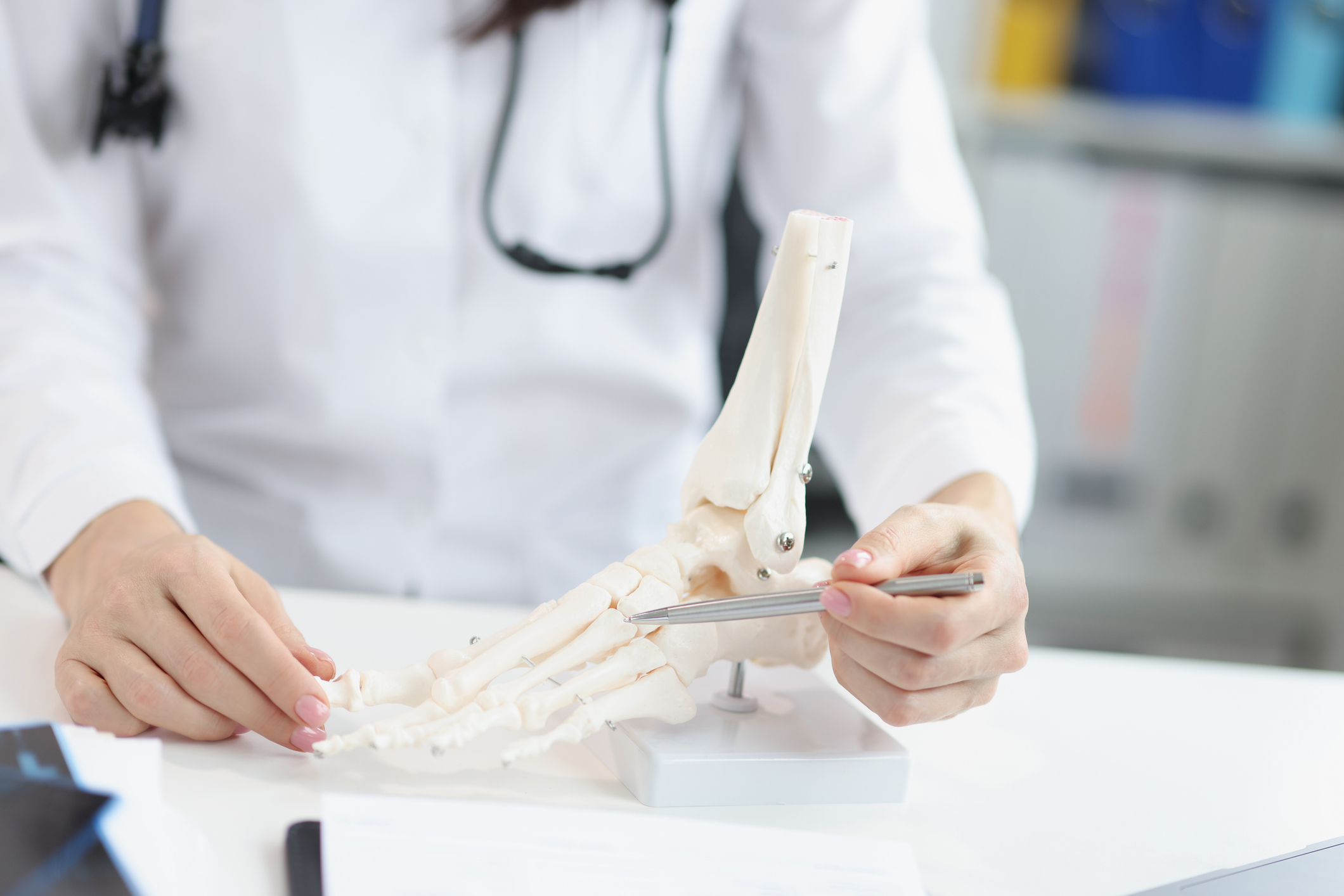
Understanding Foot and Ankle Bone Conditions
Bone conditions in the foot and ankle encompass fractures, deformities, congenital anomalies, and degenerative bone disease. The human foot contains 26 bones, 33 joints, and over 100 ligaments, making it one of the most structurally complex regions in the body.
Essex Union Podiatry treats bone conditions across the spectrum, from acute fractures requiring immediate stabilization to chronic deformities that develop over decades of abnormal biomechanics.
Common Bone Conditions We Treat
- Stress fractures of the metatarsals and calcaneus
- Bunion deformity (hallux valgus)
- Hammertoe and claw toe deformities
- Bone spurs (calcaneal and dorsal exostoses)
- Flat foot deformity with bony coalition
- Charcot foot in diabetic patients
- Osteochondral defects of the talus
- Nonunion and malunion fractures
Symptoms of Bone Conditions
Pain That Worsens With Activity
Bone-related foot pain typically intensifies during weight-bearing activity. Stress fractures produce localized pain that increases with use and improves with rest. Essex Union Podiatry uses this loading pattern to distinguish bone pain from soft tissue injuries.
Visible Deformity
Bunions, hammertoes, and angular deformities create visible structural changes. These deformities often progress without treatment, narrowing footwear options and altering gait mechanics.
Swelling and Tenderness
Acute fractures produce immediate swelling and point tenderness. Chronic conditions like bone spurs generate intermittent swelling that flares with prolonged standing or activity.
Difficulty With Footwear
Bony prominences press against shoe walls. Patients with bone conditions often report that their shoes no longer fit or that specific areas of the foot rub painfully against footwear.
Causes and Risk Factors
Biomechanical Stress
Abnormal foot mechanics distribute force unevenly across bones. Overpronation, high arches, and leg length discrepancies all increase stress on specific bones, making fractures and deformities more likely.
Repetitive Impact
Runners, dancers, and military personnel face elevated stress fracture risk. Essex Union Podiatry sees these injuries frequently in patients who increase training volume too quickly.
Systemic Conditions
Osteoporosis weakens bone density throughout the body, including the feet. Diabetes can trigger Charcot neuroarthropathy, a destructive bone condition that reshapes the foot's architecture without adequate nerve warning signals.
Genetics and Age
Some deformities, including bunions and flat feet, carry a hereditary component. Age-related bone density loss compounds the risk of fractures in patients over 50.
How Essex Union Podiatry Diagnoses Bone Conditions
Weight-Bearing Radiographs
Most bone conditions are visible on standard X-rays taken with the patient standing. Weight-bearing views show alignment under real loading conditions, which non-weight-bearing images miss.
Advanced Imaging
CT scans map complex fracture patterns and surgical planning anatomy. MRI identifies osteochondral defects, bone marrow edema, and stress reactions before they become full fractures. Essex Union Podiatry orders advanced imaging when radiographs alone leave diagnostic gaps.
Biomechanical Assessment
Gait analysis and pressure mapping reveal how force distributes across the foot during walking and running. That data helps our doctors determine whether a bone condition stems from structural anatomy, functional mechanics, or both.
Treatment Options at Essex Union Podiatry
Conservative Care
Immobilization, custom orthotics, and activity modification address many bone conditions without surgery. Essex Union Podiatry uses walking boots, surgical shoes, and CAM walkers to protect healing fractures while keeping patients mobile.
Surgical Correction
When deformities progress beyond conservative management, foot and ankle surgery restores alignment. Our surgeons perform osteotomies, internal fixation, and joint-sparing procedures at accredited surgical centers across New Jersey.
Trauma Care
Trauma care for acute fractures includes emergency evaluation, reduction, and stabilization at the earliest opportunity.
Post-Surgical Rehabilitation
Recovery from bone surgery follows structured protocols. Essex Union Podiatry schedules progressive weight-bearing milestones and imaging checkpoints to confirm healing before clearing return to full activity.
When to See a Podiatrist for Bone Pain
Immediate Evaluation Needed
Visible deformity after injury, inability to bear weight, or rapid swelling warrant same-day evaluation. Essex Union Podiatry accommodates urgent bone injury assessments at all four New Jersey offices.
Early Evaluation Recommended
Persistent pain lasting more than two weeks, progressive bunion growth, or recurring stress fractures benefit from evaluation before the condition advances. Our doctors catch developing problems earlier with imaging and biomechanical screening.
Frequently Asked Questions
How do I know if my foot pain is from a bone problem?
Bone pain typically worsens with weight-bearing activity and improves with rest. Point tenderness over a specific bone, visible deformity, or pain after a twisting or impact injury all suggest a bone-related cause. Essex Union Podiatry confirms the diagnosis with imaging at your first visit.
Can bone conditions heal without surgery?
Many do. Stress fractures, minor deformities, and bone spurs often respond to conservative treatment including immobilization, orthotics, and activity modification. Surgery becomes the recommendation when conservative care fails or when the deformity affects daily function.
How long does recovery take after bone surgery?
Recovery timelines depend on the procedure and the bone involved. Simple metatarsal osteotomies may allow partial weight-bearing within two weeks.
Complex reconstructions require six to twelve weeks of protected healing. Essex Union Podiatry provides procedure-specific recovery timelines at the surgical planning appointment.
Get Your Bone Condition Evaluated
Essex Union Podiatry is accepting new patients for foot and ankle bone condition evaluation at all four New Jersey offices. From stress fractures to progressive deformities, our board-certified podiatrists have the imaging, expertise, and surgical capability to address your condition.
Schedule an evaluation in Rahway, Springfield, Caldwell, or Jersey City.