
Wound Care
A small cut on a diabetic foot that refuses to close. A surgical incision that drains longer than expected.
Schedule a Consultation →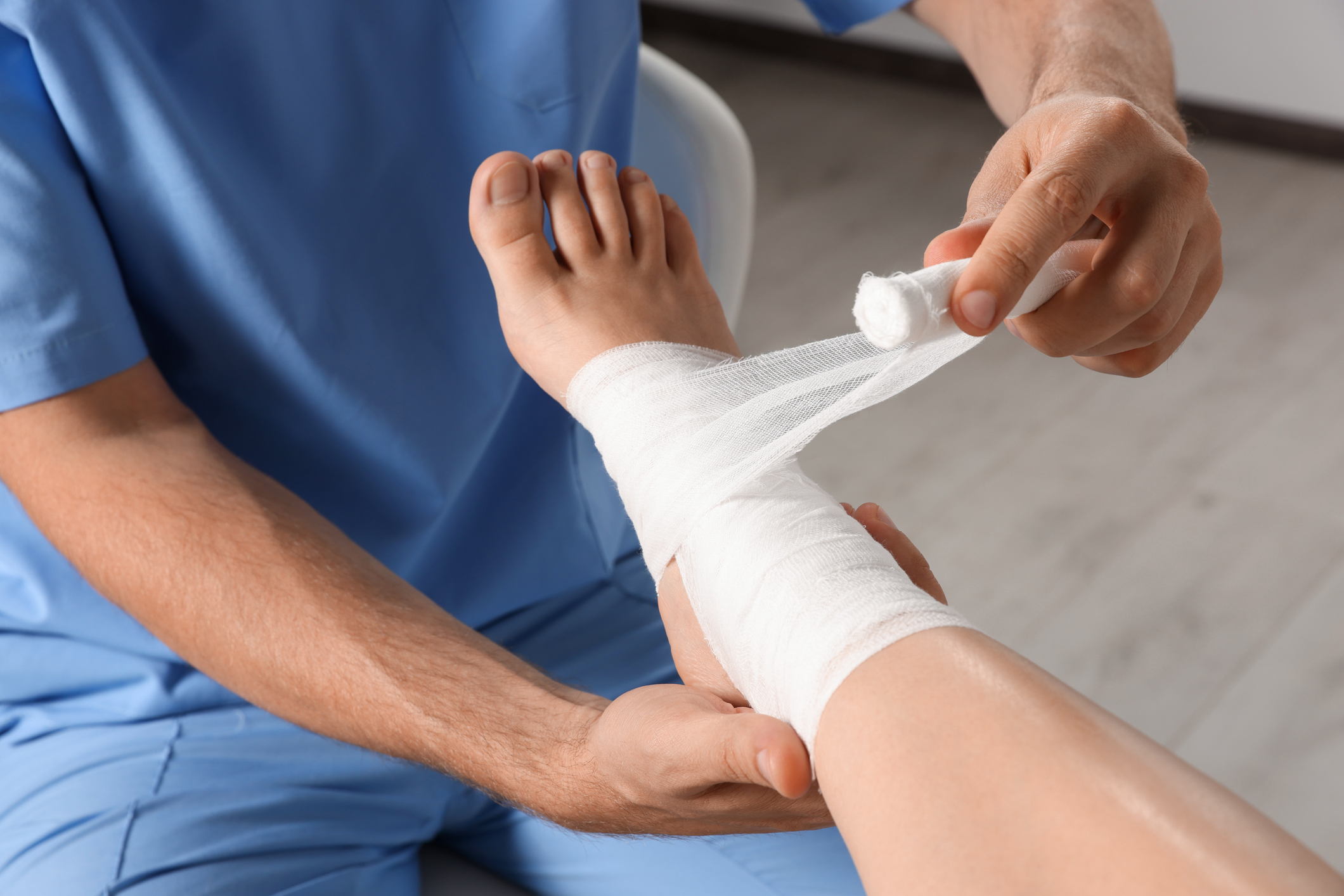
What Is Podiatric Wound Care?
Podiatric wound care is the clinical management of chronic, non-healing, or complex wounds on the foot and ankle. These wounds persist beyond the expected healing window of 4 to 6 weeks and require targeted intervention to prevent infection, tissue loss, or amputation.
Chronic foot wounds affect an estimated 6.5 million Americans each year, with diabetic foot ulcers representing the most common subset. Essex Union Podiatry's wound care program addresses the root causes of non-healing, including vascular insufficiency, neuropathy, and biomechanical pressure, rather than treating surface symptoms alone.
Dr. Jason P. Galante holds certifications in advanced wound management and hyperbaric medicine. This specialized training allows Essex Union Podiatry to manage wounds that require more than standard dressing changes, including post-surgical wounds and ulcers complicated by circulation disorders.
Wound Types We Treat
Diabetic Foot Ulcers
Peripheral neuropathy masks pain signals in diabetic feet, allowing pressure injuries to develop undetected beneath calluses and bony prominences. Essex Union Podiatry provides regular diabetic foot screenings and treats active ulcers with offloading devices, sharp debridement, and advanced wound dressings that promote granulation tissue formation.
Venous and Arterial Ulcers
Poor circulation slows oxygen delivery to wound beds and impairs the body's natural repair process. Our providers assess vascular status as part of every wound evaluation and coordinate with vascular specialists when arterial or venous intervention is needed to support healing.
Post-Surgical Wounds
Incision complications after foot and ankle surgery include dehiscence, delayed closure, and infection. Essex Union Podiatry manages post-operative wound complications with the same team that performed the original procedure, ensuring continuity of surgical and wound care planning.
Pressure Ulcers
Extended immobilization in casts, boots, or wheelchairs creates sustained pressure on heel and ankle surfaces. These ulcers require pressure redistribution, nutritional optimization, and consistent wound bed preparation to progress toward closure.
Traumatic Wounds
Lacerations, puncture wounds, and crush injuries that involve contamination or tissue loss demand thorough irrigation, staged debridement, and monitoring for deep tissue infection. Essex Union Podiatry handles these cases from initial presentation through final wound closure.
Our Wound Care Process
Comprehensive Wound Assessment
Essex Union Podiatry evaluates wound size, depth, tissue type, and surrounding skin condition at the initial visit. We document baseline measurements and classify the wound using standardized grading scales to track healing progress objectively over time.
Vascular and Neurological Screening
Non-healing wounds often signal underlying vascular disease or neuropathy. Our podiatrists perform pedal pulse assessments and sensory testing to identify circulation or nerve deficits that could block wound healing without targeted intervention.
Debridement and Wound Bed Preparation
Sharp debridement removes necrotic tissue, biofilm, and callus borders that prevent healthy tissue growth. Essex Union Podiatry performs debridement in-office, converting a chronic wound edge into an acute wound margin that responds to treatment.
Advanced Dressing and Offloading
Each wound receives a dressing protocol matched to its tissue type and drainage level. Offloading devices redistribute pressure away from plantar ulcers, and custom-molded inserts protect healing tissue during controlled weight-bearing.
Follow-Up and Healing Milestones
Patients return on a weekly or biweekly schedule for wound measurement, dressing changes, and treatment adjustments. Essex Union Podiatry tracks percentage wound closure at each visit and escalates care when healing plateaus.
Benefits of Wound Care at Essex Union Podiatry
Specialized Expertise in Foot Wounds
General wound care clinics treat wounds across the entire body. Essex Union Podiatry focuses exclusively on the foot and ankle, where biomechanical forces, shoe fit, and weight-bearing patterns create wound healing challenges that require podiatric-specific solutions.
Same-Team Continuity
Patients who develop wound complications after surgery at Essex Union Podiatry receive follow-up wound care from the same surgical team. This continuity eliminates referral gaps and ensures the wound management plan accounts for the original surgical approach.
Root-Cause Treatment
Essex Union Podiatry treats the underlying factors that caused the wound, not just the wound itself. Diabetic foot care programs, custom orthotics for pressure redistribution, and vascular screening protocols reduce the risk of recurrence after wound closure.
Why New Jersey Patients Choose Essex Union Podiatry for Wound Care
Why New Jersey Patients Choose Essex Union Podiatry for Wound Care
| What We Provide | Why It Matters |
|---|---|
| Board-certified wound care expertise with hyperbaric medicine credentials | Clinical training beyond standard podiatric wound management |
| In-office debridement at all 4 NJ locations | No hospital referral needed for routine wound bed preparation |
| Integrated diabetic foot care program | Addresses the #1 cause of chronic foot wounds alongside wound treatment |
| Weekly healing milestone tracking | Objective data drives treatment escalation decisions |
| Coordination with vascular specialists | Complete care for wounds with circulatory compromise |
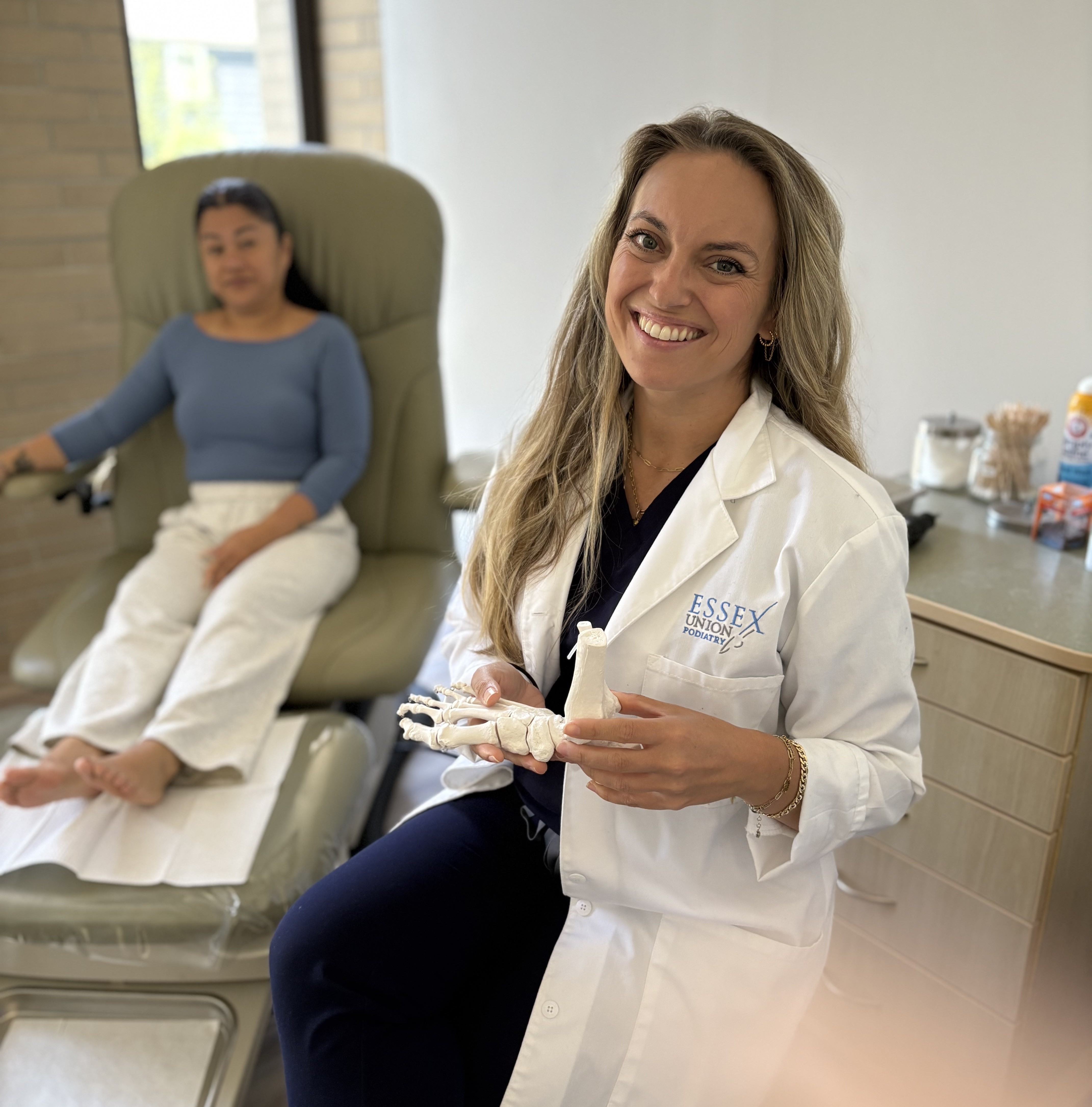
Dr. Kaitlyn Testa and Dr. Sarah E. Haller support the wound care program with additional clinical capacity across the practice's Rahway, Springfield, Caldwell, and Jersey City offices.
Common Questions About Wound Care
How do I know if my wound needs podiatric wound care?
If a foot wound has not shown visible improvement within 2 to 3 weeks of home care, or if you notice increasing redness, warmth, odor, or drainage, schedule an evaluation with Essex Union Podiatry.
Diabetic patients should contact our office immediately for any new foot wound, regardless of size.
How long does wound healing take?
Chronic wound healing timelines vary widely based on wound type, patient health, and circulation status. Diabetic foot ulcers may take 8 to 12 weeks or longer with consistent treatment. Essex Union Podiatry sets specific healing milestones at each visit so patients can see measurable progress.
Does wound care hurt?
Debridement and dressing changes can cause temporary discomfort. Our providers use local anesthesia for sharp debridement when needed. Many patients with diabetic neuropathy have reduced sensation in the wound area, though our team still monitors comfort throughout every procedure.
Will my insurance cover wound care visits?
Most insurance plans cover medically necessary wound care, including debridement and dressing supplies. Coverage varies by plan. Contact Essex Union Podiatry or your insurance provider to verify benefits before your first wound care appointment.
What Our Patients Say
Patients across New Jersey trust Essex Union Podiatry's wound care team to manage complex, slow-healing foot wounds with patience and precision. Our providers keep patients informed about healing milestones and treatment adjustments at every visit.
Find your nearest office to read patient reviews and book your wound care evaluation.
Start Your Wound Care Treatment in New Jersey
Chronic foot wounds demand specialized attention from providers who understand the biomechanics and vascular challenges unique to the lower extremity. Essex Union Podiatry's board-certified podiatrists deliver advanced wound care at four convenient locations across New Jersey.
Schedule a wound care appointment or explore our skin conditions resources to learn more about foot wound prevention.